Creating a Circle of Safety

In recognition of Sexual Assault Awareness Month, we highlight the work of the Ogitchidakwe Council in St. Paul MN in creating a Circle of Safety for victim/survivors of rape and sexual violence. Read More ››

A Snapshot in Time: Indigenous Leadership in the Creation of VAWA

This webinar is an opportunity to remember how the power of relationships led to creating the Violence Against Women Act and ensured the voices of Indigenous women who were battered were heard and reflected in the legislation. This conversation is with two nationally known indigenous advocates who pro-actively participated in the conceptualization and writing of Violence Against Women Act of 1994. Read More ››

Accountability is a Requirement for Safety and Change

This webinar considers questions key to making survivors of intimate partner violence safe: What is accountability? What about from the perspective of survivors? Who are the offenders? Who has responsibility for holding offenders accountable? What do comprehensive, culturally based offender accountability programs look like? What are the resources needed to create a system that holds offenders accountable, and also support change for them to become respectful relatives? Read More ››

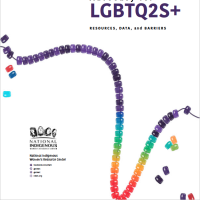
Advocacy for LGBTQ2S+ RESOURCES, DATA, and BARRIERS

The landscape of IPV in the LGBTQ2S+ community doesn’t exist in a vacuum. The LGBTQ2S+ community faces challenges like homelessness, housing insecurity, discrimination, police violence, bias, lack of services, and even rejection of services. Overlapping forms of oppression are a dangerous reality of LGBTQ2S+ survivors, and these realities are strongly reinforced by Western colonial structures and beliefs. Read More ››

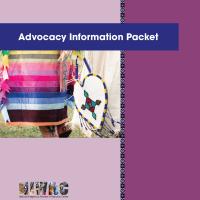
Advocacy Information Packet

This Advocacy Information Packet is a collection of articles, booklets and handouts covering a range of topics about advocacy with emphasis on work with survivors of intimate partner violence. Read More ››

Documentary Screening of Tillie Black Bear: A Legacy of Resistance That Lives On

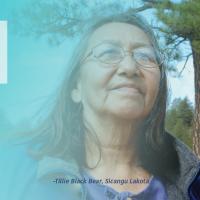
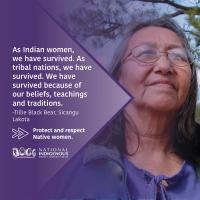
Please join the National Indigenous Women's Resource Center (NIWRC) for a live screening of our new documentary: "Tillie Black Bear: A Legacy of Resistance That Lives On," in honor of Tillie Black Bear Women Are Sacred Day and Domestic Violence Awareness Month. The documentary highlights and celebrates the work of Tillie Black Bear, Wa Wokiye Win (Woman Who Helps Everyone), known as the Grandmother of the Anti-Domestic Violence Movement. Read More ››

Fireside Chat: Wabanaki Women’s Coalition Survivors' Retreat

The NIWRC policy team will be joined by Donna Brown, Executive Director of the Wabanaki Women’s Coalition (WWC) as she shares reflections of this year’s WWC Survivors’ Retreat and discusses the process of creating such an event within your community. The WWC Survivors’ Retreat is an event hosted every year by the Wabanaki Women’s Coalition in the Northeast. Read More ››

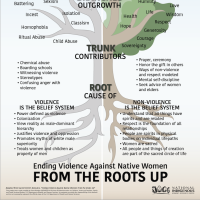
From the Roots Up: Poster

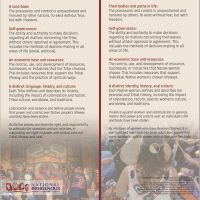
18x24 inch poster of "Ending Violence Against Native Women From the Roots Up". This poster demonstrates the cause and effect of cultural influences on individual life paths.

The price is $10 each plus $6 shipping.

  Read More ››

Long COVID: A Community Conversation on Disability, Equity, and Its Impact on Advocates and Survivors in Native Communities

Long COVID (or post-COVID) conditions are impacting nearly 1 in 5 adults in the United States, according to a recent U.S. Census Bureau study analyzed by the CDC and released in June of this year. Long COVID symptoms range from fatigue, rapid heartbeat, shortness of breath, cognitive difficulties, chronic pain, sensory abnormalities, and muscle weakness. They can be debilitating, lasting for weeks to months after recovery from the initial infection. In some cases, people suffer from severe, long Read More ››

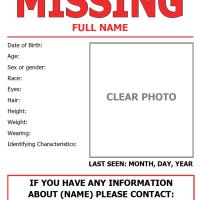
Missing Person Flyer

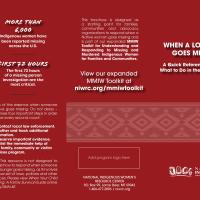
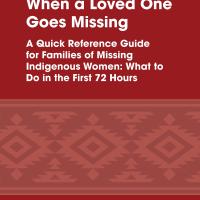
This customizable 8 x 11” missing person flyer template is an important tool for generating awareness when a Native woman is missing or suspected to be missing. Read More ››
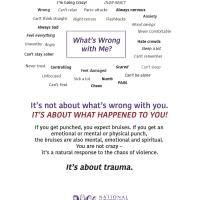
NIWRC Advocacy Curriculum

This curriculum was created to support tribal programs in providing advocacy and safety for survivors within their communities and make changes to end violence by embracing Indigenous culture. Read More ››
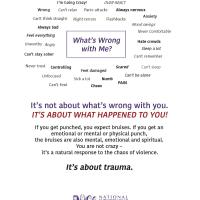
NLIHC 2024 Advocates' Guide

Every year, the National Low Income Housing Coalition publishes the Advocates’ Guide to educate advocates of all kinds about the programs and policies that make housing affordable to low-income people across America.  Read More ››
Protecting Our Women

Colonizing governments understood that to establish their control over Native nations, they had to work to eradicate tribal values that honored women and prohibited violence against women. Read More ››
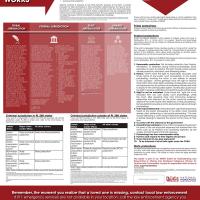
Restoring the Integrity and Status of Women as Sacred: An Advocate Panel Discussion

This webinar provides an opportunity to challenge each other to think about how colonized thinking, and subsequent internalized oppression impacts us as advocates.

How can our Indigenous beliefs inform our advocacy? What does it mean to re-Indigenize our relationships with survivors and the way we do advocacy? This conversation will help us examine if our practices are consistent with our Indigenous beliefs and lifeways, and how to make positive change. This supports our work restoring the Read More ››
Tribal Coalitions Talk Awareness, Advocacy, and Strategy on DVAM 2024 and their Pathways to DVAM 2025

Every October, Tribal programs and Native advocates nationwide turn their attention to a critical human rights issue that impacts all Native communities and Nations: domestic and intimate partner violence. During this panel discussion, tribal coalitions will shed light on the significance of Domestic Violence Awareness Month and how it drives their programming and work year-round.  Read More ››
Violence on Indigenous Lands is Violence on Indigenous Bodies and Futures

Since time immemorial, Indigenous Peoples have experienced the connection between land and body. This connection has sustained many ways of life, teachings, and values. The disconnection of those relations through the removal of Indigenous Peoples from their ancestral homes and its impact on Indigenous bodies, spirituality, identity, and culture is evident in the long history of these violently forced changes. Read More ››
Why Do Women Stay

This webinar will address the multitude of factors that affect the safety and well-being of women and children living with domestic violence. Read More ››