This is an optional form that you may provide your housing provider if you are seeking VAWA protections from your housing provider. This form also provides for alternate 3rd party documentation. Read More ››
The social, political, and cultural instability during the colonial era and American Revolution involved ongoing warfare, shifting allegiances among Indigenous and European nations, enslavement, and Read More ››
The goal of this guide is to assist programs and advocates in supporting survivors who use substances by providing practical strategies embedded within an accessible, culturally responsive, and trauma Read More ››
Connecting the Dots: An Overview of the Links Among Multiple Forms of Violence is a publication of the Centers for Disease Control and Prevention and Prevention Institute. Read More ››
This is a form that can be used to request an emergency transfer. This form explains the requirements for qualifying for an emergency transfer. Read More ››
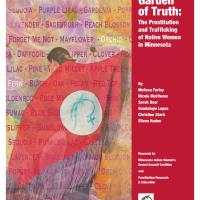
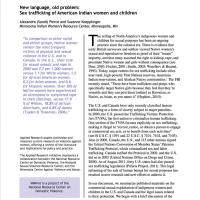
Since Native women are at exceptionally high risk for poverty, homelessness, and sexual violence which are elements in the trafficking of women, and because the needs of Native women are generally Read More ››
Housing Needs of American Indians and Alaska Natives in Tribal Areas: A Report From the Assessment of American Indian, Alaska Native, and Native Hawaiian Housing Needs Executive Summary. 19 pages. Read More ››
The report contains disability resources within Tribes located in Region 8 of the Rocky Mountain region, national Native disability organizations, federal agencies, and national organizations. Read More ››
This provides guidance to Fair Housing and Equal Opportunity (FHEO) headquarters and field staff on assessing claims by DV victims of housing discrimination under the Fair Housing Act (FHAct) Read More ››
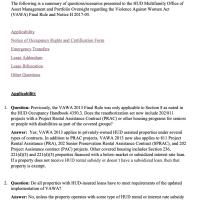
A summary of questions/scenarios presented to the HUD Multifamily Office of Asset Management and Portfolio Oversight regarding the Violence Against Women Act (VAWA) Final Rule and Notice H 2017-05. Read More ››
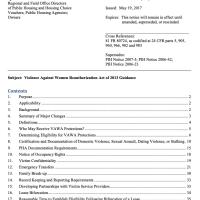
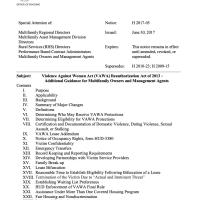
This notice provides guidance to Public Housing Agencies (PHAs) and owners on the requirements of the
Violence Against Women Reauthorization Act of 2013. Read More ››
Worldwide, Indigenous people are at a higher risk of human trafficking—including both sex trafficking and labor trafficking—than other diverse populations (Administration for Children and Families Read More ››
The purpose of this initial U.S. Attorney's Office Missing and Murdered Indigenous People Report is to provide tribal communities, law enforcement, and the public an overview of the currently Read More ››
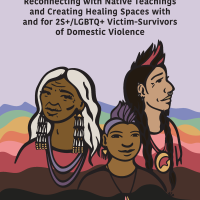
This report to the Minnesota Legislature includes mandates that aim to reduce and end violence against Indigenous women, girls, and two spirit people in Minnesota Read More ››
This is a model plan for Emergency Transfers under VAWA. This plan addresses eligibility, documentation, confidentiality, timing and availability; and safety and security of tenants. Read More ››
In 2014, the Quebec Native Women’s association was granted a small amount of money from the Quebec Ministry of Justice to work on the issue of MMIW in the province. Read More ››
The National Intimate Partner and Sexual Violence Survey: 2010 Summary Report is a publication of the National Center for Injury Prevention and Control of the Centers for Disease Control and Read More ››
National Workgroup on Safe Housing for American Indian and Alaska Native Survivors of Gender-Based Violence: Lessons Learned. 43 pages. Price is $6 each. Sold as a bundle of 10: $60 plus $15 shipping. Read More ››
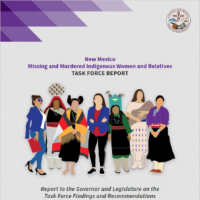
This report is informed by the relatives of missing and murdered Indigenous women and girls, along with advocates, law enforcement, legislators, organizations and community members. Read More ››
Notice for Housing Inventory Count (HIC) and Point-in-Time (PIT) Count Data Collection for Continuum of Care (CoC) Program and the Emergency Solutions Grants (ESG) Program. Read More ››
The Department of Justice’s annual Tribal Consultation on Violence Against American Indian and Alaska Native Women is held pursuant to Public Law 109-162, Title IX, Section 903 of the Violence Read More ››
This projectwas intended to facilitate consultation from AI/AN people with disabilities, tribal leaders & communities, to obtain information & recommend strategies for improving services. Read More ››
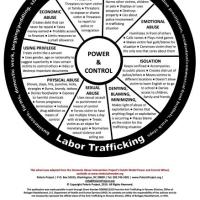
The NHTRC is a program of Polaris Project, a non-profit, non-governmental organization working exclusively on the issue of human trafficking. Read More ››
Given the epidemic levels of sexual violence and the widespread availability of increasingly graphic pornography in the United States, it is not surprising that researchers and activists have tried to Read More ››
The Presidential Task Force on Missing and Murdered American Indians and Alaska Natives, also known as Operation Lady Justice (OLJ), is closely coordinating with the Tribes and states which are Read More ››
Summary of the written and verbal responses from participants of Conversations with the Field on how friends/family can support 2S+/LGBTQ+ victim-survivors Read More ››
On May 3, 2019, President Trump became the first President to formally recognize Missing and Murdered American Indians and Alaska Natives Day. Read More ››
When sexually assaulted in a rural community, victims often find that opportunities for medical, legal or emotional services are very limited, or even nonexistent. Read More ››
In a year when a global pandemic has impacted every aspect of daily life, it became critical that those who need us know that we continue to be available to answer their call. Read More ››
The topic of this report is the commercial sexual exploitation of American Indian women and girls in Minnesota, including but not limited to sex trafficking. Read More ››
The State of Alaska Task Force on the Crimes of Human Trafficking, Promoting Prostitution and Sex Trafficking was established by legislation in 2012 to do the following: (1) look at the prevalence of Read More ››
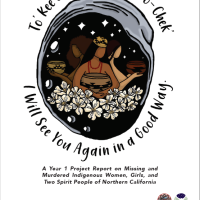
By Sovereign Bodies Institute: "To’ Kee Skuy’ Soo Ney-Wo-Chek’ addresses the severe impact of missing and murdered Indigenous women, girls, and two spirit people (MMIWG2) and trafficking of Native Read More ››
The purpose of this article is to provide an overview of the current state of sex offender treatment, with a focus on the question of the effectiveness of treatment. Read More ››
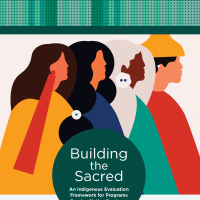
This resource illustrates four places Indigenous evaluation is already taking place in violence prevention, response, and healing programs that have not been recognized in an evaluation framework. Read More ››
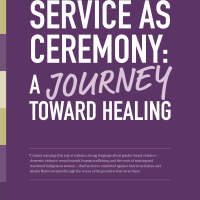
Healing from violence for Indigenous people is an ever-evolving journey that includes times of joy, tears, celebration, grief, ceremony, and love. Read More ››
Five years ago, Congress passed the Violence Against Women Reauthorization Act of 2013 (VAWA 2013).2 In response to the high rates of domestic violence being perpetrated against American Indian and Read More ››
This notice provides guidance to owners and management agents (O/As) of HUD multifamily assisted housing on the requirements of the Violence Against Women Reauthorization Act of 2013. Read More ››