
Keely Linton
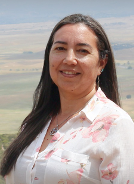
Keely Linton is an Íipay and Kupa Native from the Mesa Grande Band of Mission Indians. She currently lives and works within her community.
Keely provides community education on domestic violence and sexual assault, including specialized training for service providers and other professionals. She also offers a cultural competency course to assist those working within the Native American populations. Her trainings are conducted throughout Southern California and other regions of need.
Currently, Keely is the Chairperson of Mesa Grande Business Development Corporation. She is the Executive Director for the Strong Hearted Native Women’s Coalition, advocating for victims and their families by promoting safety and a traditional non-violent lifestyle. With over two decades of service to her community, assisting in reducing family violence and advocating for policy changes within the local governments she serves to better protect our Tribal families.
Keely obtained her Bachelor's degree in Social Science from California State University, San Marcos, in 2001. She began her career in domestic violence and sexual assault while working for the Indian Health Council, Inc. During her time, she collaborated outside the native community to assist victims of intimate partner violence. She spent 6 years as the Coordinator for the North County Family Violence Prevention Center, a multi-agency serving victims of domestic violence and sexual assault. Through the center, Keely worked with the San Diego County Sheriff’s Department, the San Diego County District Attorney’s office, and Tribal governments. The collaboration combined native and non-native victim services in one location. Providing the community and reservations with a broader range of victim services, including culturally appropriate resources. Keely is the former Chairperson for the Judicial Council of the Intertribal Court of Southern California and remains actively involved in supporting her tribe through ongoing policy development.
Technical Assistance Areas
- Federal grant technical assistance (OVC, OVW, VOCA, VAWA, FVPSA, DOJ, HHS)
- Program development, expansion, and enhancement for victim service organizations
- Trauma-informed and survivor-centered service delivery models
- Development of policies, procedures, and operational manuals
- Confidentiality, privilege, and information-sharing compliance
- Organizational capacity building and infrastructure development
Training Areas
- Historical Violence and Policies
- Trauma-informed and healing-centered approaches
- Domestic violence dynamics
- Sexual assault advocacy and crisis response
- Stalking, technology-facilitated abuse, and safety strategies
- Sex trafficking identification and survivor-centered response
Topics of Expertise
- Federal victim services funding streams and requirements
- Safety planning and lethality risk factors
- Crisis intervention and emotional support
- Community-based and systems-based victim advocacy
- Prevention education and community outreach
- Victim service program development and management