What does accountability mean when applied to the attempted genocide of Native people in the US? What does accountability mean as we watch reports of mass graves of First Nation children in Canada? Read More ››
This Advocacy Information Packet is a collection of articles, booklets and handouts covering a range of topics about advocacy with emphasis on work with survivors of intimate partner violence. Read More ››
Domestic and sexual violence (DSV) can have significant effects on one’s health and well-being, including increased risks related to trauma and substance use. Read More ››
The goal of this guide is to assist programs and advocates in supporting survivors who use substances by providing practical strategies embedded within an accessible, culturally responsive, and trauma Read More ››
The document is about creating trauma-informed services and providing practical tips for increasing access to services for survivors of domestic violence and trauma. Read More ››
This document is about creating trauma-informed services for domestic violence advocacy, focusing on the emotional and psychological needs of survivors.
We know that American Indian/Alaska Native women experience some of the highest rates for domestic violence, sexual assault, stalking, sex trafficking, homicide at the hands of an intimate partner, Read More ››
The NIWRC policy team will be joined by Donna Brown, Executive Director of the Wabanaki Women’s Coalition (WWC) as she shares reflections of this year’s WWC Survivors’ Retreat and discusses the process of creating such an event within your community. The WWC Survivors’ Retreat is an event hosted every year by the Wabanaki Women’s Coalition in the Northeast. Read More ››
This timely and important webinar will provide an overview of what is known about the opioid epidemic and will focus on the specific concerns of Indian communities and tribal domestic violence Read More ››
Sometimes when people are abused their head gets hurt. This can cause injuries that aren’t always obvious. Please answer the questions and talk with an advocate so we can help make services work best for you. We know how difficult it is to share this information—thank you for your courage. We are here to support you.
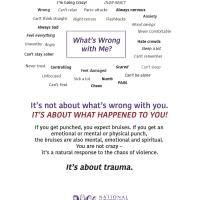
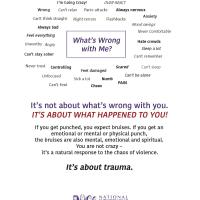
This Trauma brochure provides a culturally-based overview of what trauma is, how people respond differently to trauma, and Indigenous ways of healing. Read More ››
The It’s About Trauma handout provides a culturally-based overview of what trauma is, how people respond differently to trauma, and Indigenous ways of healing. Read More ››
This webinar focuses on love, healing and self-care. Dr. Duran will introduce the pillars of compassion and how through loving and taking care of ourselves we become better advocates, better human Read More ››
The document is about trauma and its impact on Native women, including the root causes, dynamics, and effects of violence, as well as trauma-informed advocacy.
This document is an information sheet for domestic violence advocates about self-injury and how to respond to survivors who engage in self-injurious behaviors.
Tools for Transformation: Becoming Accessible,
Culturally Responsive, and Trauma-Informed Organizations
Implementation Support Guides for Domestic Violence and Sexual Assault Programs Read More ››
This webinar lays the foundation for understanding sex trafficking of Native women and survivor centered responses developed by three experts in the field. Read More ››
The document is about the link between traumatic brain injury and domestic violence, discussing the potential for women who are abused to suffer from TBI and the symptoms and challenges associated with it. Read More ››
Experiencing Domestic Violence and other multiple forms of abuse and oppression affects how we think and feel and sets the basis for our relationships with family, friends, community and service Read More ››